PepsiCo, Fiji Water and Danone Face Lawsuits Over Alleged Greenwashing
Major beverage players PepsiCo, Danone, and The Wonderful Company—owner of Fiji Water—are facing legal challenges in Washington D.C. over alleged “false and deceptive” marketing practices tied to sustainability claims. Each company stands accused of misleading consumers by promoting their plastic packaging as environmentally friendly, despite continued reliance on single-use plastics.
The lawsuits, filed by environmental advocacy groups including Earth Island Institute, Beyond Plastics, and the Center for Climate Integrity, contend that the brands have violated the District’s Consumer Protection Procedures Act. The plaintiffs argue that claims such as “100% recyclable” and “carbon negative” not only mislead consumers but also undermine broader sustainability efforts by masking the environmental impact of plastic packaging.
Each defendant faces separate legal action:
- PepsiCo is being challenged over claims made in its branding—including phrases like “100% recyclable” and commitments toward a “circular economy”—while still producing over 350,000 metric tons of plastic packaging annually.
- Fiji Water is under scrutiny for labeling its bottles as “carbon negative” since 2008. The suit alleges that the calculation behind this claim lacks transparency and credibility.
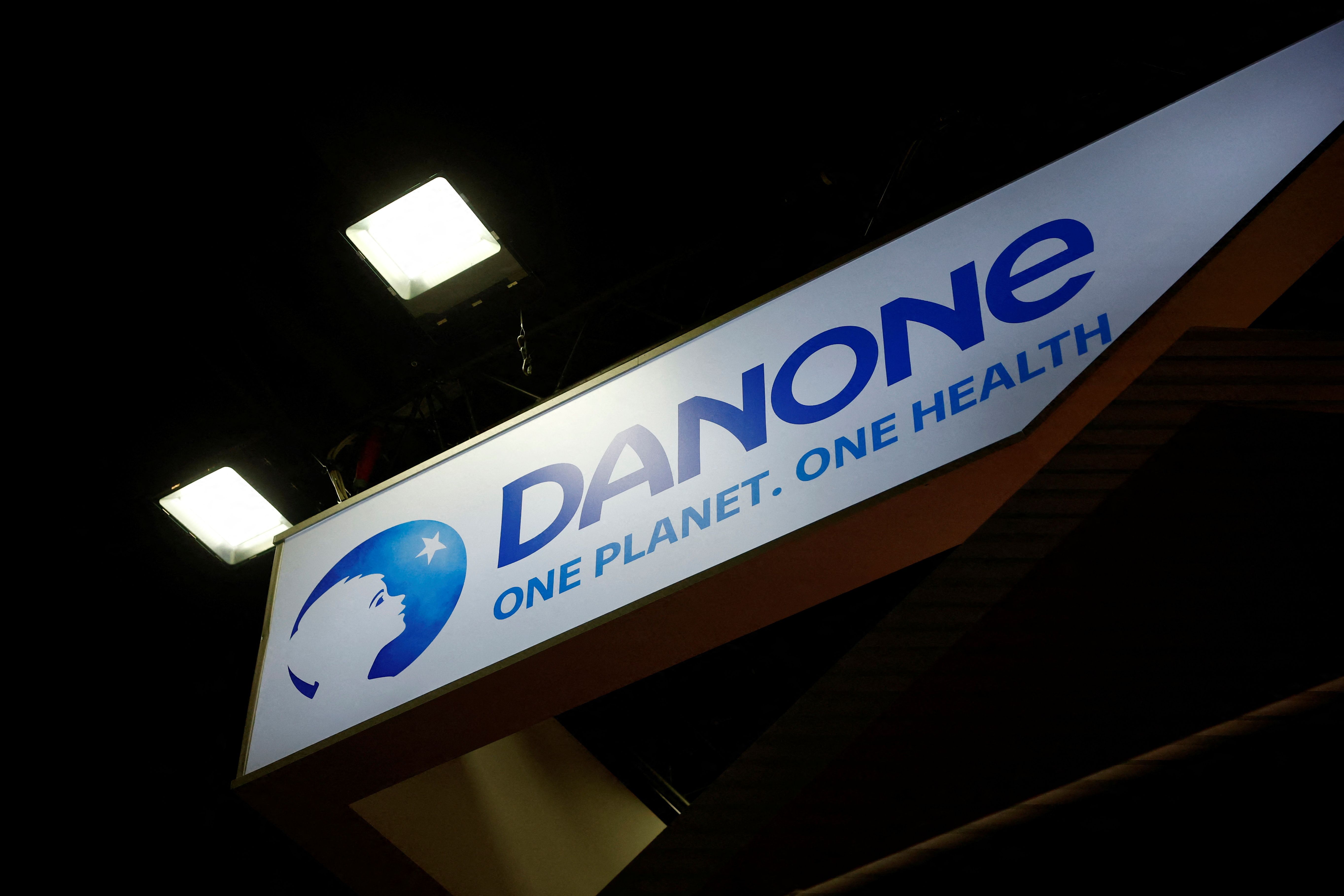
- Danone, producer of brands like Evian and Oikos, is being targeted for highlighting eco-friendly language on product labels while maintaining a heavy reliance on single-use plastic.
The plaintiffs stress that consumers are increasingly motivated by sustainability and that misleading marketing erodes trust and hampers genuine efforts toward environmental responsibility. A recent report by Changing Markets Foundation found that 60 of the world’s largest plastic polluters, including all three companies named, are falling short of their sustainability pledges.
If successful, the lawsuits could have broad implications for FMCG branding and compliance strategies, particularly in categories like beverages and dairy where plastic packaging remains prevalent. FMCG companies may face growing legal and competitive pressure to substantiate environmental claims with verifiable data and transition more meaningfully toward sustainable packaging solutions.
As consumer scrutiny intensifies and regulatory frameworks evolve, these cases could serve as a critical inflection point for green marketing practices across the FMCG landscape.